
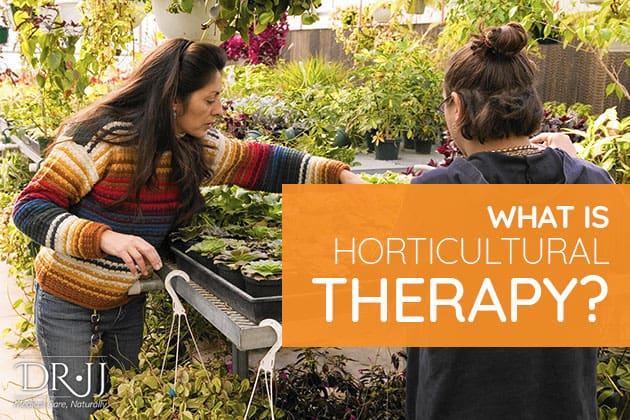
Humans and plants share a centuries old relationship.
In fact, we can trace the practice of horticulture way back to our early human ancestors.
According to a 2007 article by Jules Janick, humans began utilizing horticulture in their agricultural pursuits approximately 10,000 years ago.
Modern humans incorporate horticulture in many areas of life.
From experienced gardeners to houseplant lovers, people engage with plant life in many ways.
But did you know that our leafy friends can even provide us with therapeutic benefits?
RELATED ARTICLE: The Benefits Of Plants In Your Home
For instance, a 2022 study by Han et al. found that the presence of houseplants can help improve cognition, physiological function, and even academic performance.
So, it only makes sense that therapists include horticultural aspects in their practices.
Many different hospitals, care facilities, and botanical gardens across the world practice horticultural therapy.
I’m Dr. JJ, and at my naturopathic practice I’m frequently recommending horticultural solutions to my clients.
If you’re interested in hearing more about this type of therapy, I highly suggest checking out one of our educational videos with Nancy Lee Colibaba, a horticultural therapy coordinator at the Royal Botanical Gardens, as she answers our questions about horticultural therapy.
At my clinic, you have access to all kinds of naturopathic services.
This article will explore the role of horticultural therapy and how it works.
Let’s get started.
What Is Horticultural Therapy?
Horticultural therapy has numerous names, including plant therapy or garden therapy.
As the name suggests, this type of therapy relies on plants or plant related activities, such as growing fruits and vegetables.
Other less hands on approaches include just spending time among plants, or learning more about horticulture.
So, horticulture therapy is welcoming of you regardless of your comfort level around plants.
Many people find that horticultural therapy can transform their quality of life.
Horticultural therapy meets you where you are, whatever your abilities.
Over time, horticultural therapy can help you improve or maintain your ability level.
Other benefits of horticultural therapy often include:
- Fine and gross motor skill development
- Improved hand eye coordination
- Mental stimulation
- Sensory stimulation
- Improved socialization skills
- Reduced stress and anxiety
- And much more
As you might expect, horticultural therapy is often beneficial for elderly individuals living in long term care facilities.
RELATED: Anti-Aging
This type of therapy stimulates the mind, improves memory, and provides a mood and energy boost.
It can help them improve cognitive functions and reduce feelings of stress and loneliness.
It also gives seniors a chance to get some fresh air as well as socialize with others.
Many of these folks are former farmers and gardeners who often find great comfort in returning to these types of familiar activities.
What Are Some Examples Of How This Works?
Let’s take a closer look at some specific examples of horticultural therapy in practice.
In truth, there’s many ways you can partake in this type of therapy.
Some people get together with their nature loving friends and go on weekly or biweekly nature walks.
Others lend a hand at their local community gardens.
These activities can help you practice mindfulness and mediative techniques.
A big part of horticultural therapy is education and learning more about plants.
Thus, many people who engage in horticultural therapy enjoy simply learning about the different types of plants and their care needs.
And like we previously mentioned, it’s also a great socialization tool.
Afterall, there’s nothing more uplifting than spending time in nature and talking about plants with others.
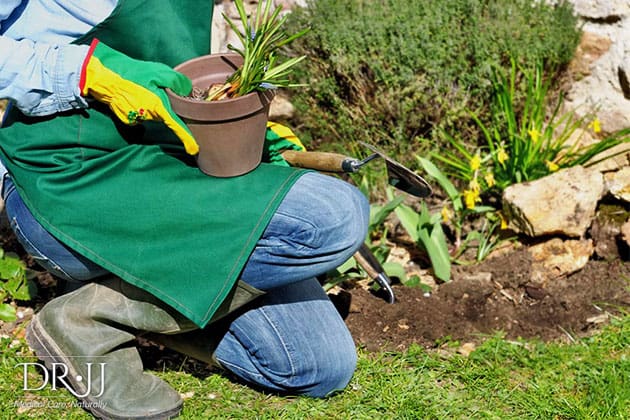
Where Do Horticultural Therapists Practice?
Horticultural therapists can achieve various certifications and qualifications for their work.
You won’t even have to travel far to find a horticultural education program.
In fact, some US colleges offer horticultural therapy courses at the same level as occupational therapy and physiotherapy courses.
Many facilities will welcome you with open arms once you achieve the necessary knowledge and training.
Mental health facilities across the country use horticultural therapy as treatment, as well as vocational training.
These programs take their clients into outdoor gardening spaces and help them develop horticultural and employment skills.
Ultimately, these programs help clients living with mental illness find work in the field of horticulture.
Mental health facilities aren’t the only type of hospital setting where you can find horticulture therapy.
Children’s facilities also frequently support the inclusion of plants in therapy.
Other hospitals utilize them in their cancer programs.
RELATED ARTICLE: Post-Cancer Prevention
You might even find horticultural therapy at your local general hospital.
This is because it’s often beneficial for people living with physical disabilities.
Not only is this kind of therapy educational and engaging, but it’s also incredibly relaxing and healing.
When you provide a space that’s safe, calm, and filled with beautiful plants that’re grateful for your time and care, you’ll discover the therapeutic power in horticultural therapy.
Horticultural Therapy At The Royal Botanical Gardens
The Royal Botanical Gardens in Toronto offer several great horticulture therapy related programs and services.
For instance, they hold frequent horticultural therapy workshops with all types of focuses, such as dementia care and professional development.
They also have a strong focus on education, for both therapists in other fields who want to include horticulture in their practice and also for any person who has an interest in plants.
The Royal Botanical Gardens also offers a certificate program, so if you’re interested in plant therapy, consider visiting their website.
Horticultural Therapy In Chile
You can also partake in horticulture therapy away from home.
Exciting news from across the ocean: horticultural therapists in Chile are starting their own association.
This will play an important role in the education and certification process.
The largest existing horticultural therapy associations are in North America and offer resources predominantly in English.
So, this program is groundbreaking for the future of plant therapy in non-English speaking parts of the world.
Questions? Ask Dr. JJ
Are you interested in hearing more about horticultural therapy?
Everyone can benefit from horticultural therapy.
Maybe you’re an experienced gardener.
Or maybe you’re just trying out plants for the first time.
Regardless of your skill level, horticultural therapy has a program for you.
So, why not try it out?
Both your mind and body will thank you for it.
Spending time in nature can help relieve stress and greatly improve your quality of life.
I’m Dr. JJ, a licensed naturopathic doctor in Toronto, and I’m all about natural healing.
I’ve seen the power of horticultural therapy and other forms of naturopathic medicine firsthand.
Let’s explore this therapy together.
Book your appointment with me, Dr. JJ, today, and let’s talk about your health concerns and how naturopathic medicine can help.
If you have questions about naturopathic medicine, or you’d like to take your first step into the world of naturopathy, contact me, Dr. JJ, and let’s book an appointment.
Yours in health,
Dr. JJ Dugoua, Naturopathic Doctor
600 Sherbourne St, Suite 315,
Toronto, ON M4X 1W4
-https://g.page/AskDrJJ
Dr. JJ Dugoua is a naturopathic doctor in Toronto and has a PhD in Pharmaceutical Sciences. His clinic provides solutions for many health concerns and has a special focus on thyroid health issues.