

Diabetes is a common disease in Canada.
In fact, diabetes impacts roughly 3.7 million people in Canada over the age of one, or 9.7% of the population.
In addition to this, many people live with prediabetes, in which you’re at a higher risk of developing type 2 diabetes.
So, you may be asking, “What, if anything, can be done about this?”
I’m Dr. JJ, a naturopathic doctor in Toronto, and in this article we’ll answer that question.
Today we’ll look at some natural health solutions for managing diabetes and hopefully also preventing type 2 diabetes from occurring in the first place.
Below, you’ll also find my video on naturopathic solutions for managing diabetes.
So whether you prefer video or reading, you’ll get the information you need on the subject.
What Is Diabetes?
Diabetes is a group of diseases that impact how your body uses blood sugar and cause high blood sugar (glucose) levels.
Your blood sugar is important for several bodily functions.
Glucose is helped by the hormone insulin to reach where it needs to be in your body.
Diabetes occurs either when your pancreas makes little to no insulin or when your body doesn’t respond to insulin properly.
Glucose is a source of energy for your body’s cells and brain.
But if there’s too much of it, it can overwhelm your body’s insulin.
Symptoms of diabetes include:
- Increased thirst
- Fatigue and feelings of weakness
- Urine issues
- Unexplained weight loss
- Mood swings
- Issues with your vision
- Sores that take longer to heal
There are also long term complications, which occur gradually over time.
These long term complications of excess sugar can include:
- Damage to the nerves
- Sexual dysfunction
- Stroke
- Heart disease
- Blindness
- Kidney damage
- Foot damage
- Skin conditions
- Greater susceptibility to bacterial and fungal infections
- Depression
- Digestive issues
These complications make being able to manage diabetes important.
Today we’ll discuss the different types of diabetes, risk factors, and ways to manage this disease naturally.
What Are The Different Types Of Diabetes?
There are a few different types of diabetes.
Some of these are chronic, and some are short term and reversible.
The good news is that all of them can be managed by lifestyle changes.
Type I diabetes is a chronic autoimmune condition.
Your pancreas doesn’t produce enough insulin because your immune system attacks and destroys the insulin producing cells within it.
This condition currently does not have a known cure.
A diabetic person with type I diabetes must manage it through injections of insulin that help regulate their blood glucose levels.
This is the type most often seen in children.
Type II diabetes develops slowly over time and is also chronic.
It occurs when sugar in your blood is not well absorbed by your system, the pancreas produces less insulin than it used to, and cells become resistant to insulin.
Although type II is often referred to as “late onset” or “adult onset” diabetes, more and more cases are being seen in children, which is concerning for parents and health professionals alike.
Pre-diabetes, also known as insulin resistance, is a condition that precedes type II diabetes.
With this, your blood sugar levels are higher than average but not enough to be diagnosed with type II diabetes.
With the right interventions, you can prevent pre-diabetes from becoming type II diabetes.
Gestational diabetes is a type of diabetes that occurs during pregnancy and is not usually chronic.
If this goes untreated though, it can cause complications for the baby, including excess growth, low blood sugar levels, and an increase in their type II diabetes risks.
Although rare, another type of diabetes, neonatal diabetes, happens in infants 6 months old or younger.
About half of these cases will deal with diabetes for their entire lives.
The other half may have diabetes reoccur later on in life.
There are also other less common forms of diabetes that may occur as a result of autoimmune reactions, genetic mutations, or injury to your pancreas.
What Are The Risk Factors For Diabetes?
There are plenty of different risk factors for all types of diabetes.
Genetics is part of it.
If you’re a diabetic, odds are someone in your family will have had it as well.
That’s especially true if one of your parents or a sibling has it.
Being sedentary and a lack of exercise plays a role as well, particularly for type II diabetes.
That’s especially true since those can contribute to being overweight, which is another risk factor.
The more overweight you are, the more abdominal fat you’ll have.
That contributes to greater insulin resistance.
Sleep issues have also been linked to diabetes.
Can Type II Diabetics Control Their Condition With Their Diet?
It’s possible for those with type II diabetes to control their condition with a proper diet.
A carefully planned diet can be very important for improving the outlook of someone with type II diabetes.
We will discuss specific aspects of diet for those with diabetes a little later.
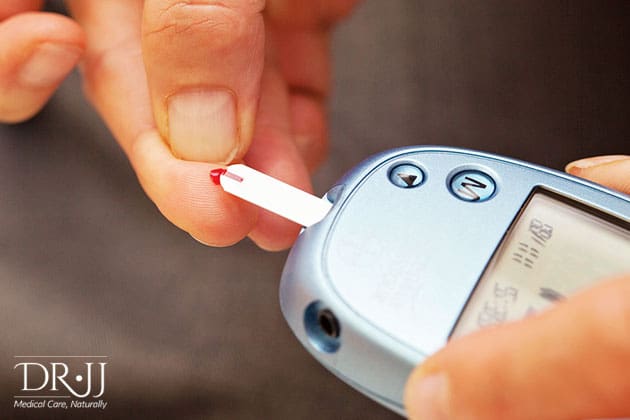
Naturopathic Solutions For Diabetes
There are several naturopathic approaches that can be used to manage diabetes.
Here, we’ll take a look at some of these solutions and how they can be used.
1. A Multivitamin
In addition to helping supplement vitamins which we may not be getting through diet alone, a multivitamin can help with the management of diabetes.
People with low levels of niacin (vitamin B3) and low levels of magnesium are more prone to diabetes.
Ensuring sufficient levels of these is important, especially for those who are at risk due to other factors.
You can intake vitamin B3 through your diet with fish, legumes, nuts, chicken, salmon, brown rice, and bananas.
Magnesium can be found in vegetables, nuts, seeds, and whole grains.
2. Acupuncture
Acupuncture treatments may be beneficial for people with diabetes.
A 2018 study showed it to be effective for lowering glucose levels and increasing insulin levels in rats.
It can also help with nerve stimulation to counteract the nerve damage which sometimes accompanies a diagnosis of diabetes.
3. Diet
Diabetics should avoid simple carbohydrates, and aim to include more complex carbohydrates in their diets.
Simple carbs include bagels, white bread, pasta, white rice, that sort of thing.
These foods are quickly turned into sugar by the body, causing blood sugar to spike.
Another food that can increase your risk of diabetes is high fructose corn syrup.
Complex carbohydrates, such as multigrain breads, brown rice, and other high fibre foods, take longer to digest and don’t cause blood sugar to spike.
Foods that are low in fat and calories, such as fruits, vegetables, and whole grains are also great options.
Other foods to focus on include lean protein, vegetables, poultry, apple cider vinegar, and walnuts.
RELATED ARTICLE: Superfoods For Aa Stronger Mind.
4. Ginseng
What we refer to as ginseng is actually a group of different plants.
The two most common are Asian ginseng and American ginseng, both of which have numerous health benefits.
It can be an effective herbal medicine for erectile dysfunction, can build immunity to certain infections, and is a great energy boost.
But what about for diabetes?
A 2013 study in the Journal of Ethnopharmacology showed that taking ginseng can reduce insulin resistance and promote glucose uptake.
Be careful, though.
Ginseng combined with insulin can cause hypoglycemia, or low blood sugar.
So if you’re thinking of taking ginseng for diabetes, be sure to consult with your naturopathic doctor first.
5. Bitter Melon
A 2013 study in the Asian Pacific Journal of Tropical Disease looked at the use of bitter melon for the treatment of diabetes.
It has been shown to have hypoglycemic effects.
However, it should be noted that clinical trials in humans are limited at this point.
Questions? Ask Dr. JJ
As every person is different, working with a naturopathic doctor to manage diabetes and blood sugar levels is important when using any of the remedies listed in this article.
After all, correcting too far can cause hypoglycemia (low blood sugar levels).
Are you looking for a health partner to help manage your diabetes?
Or do you think you may be at risk of developing diabetes?
If so, I’m Dr. JJ, and I’m here to help.
Book your appointment with me, Dr. JJ, today.
If you have questions about naturopathic medicine, or you’d like to take your first step into the world of naturopathy, contact me, Dr. JJ, and let’s book an appointment.
Yours in health,
Dr. JJ Dugoua, Naturopathic Doctor
600 Sherbourne St, Suite 315,
Toronto, ON M4X 1W4
-https://g.page/AskDrJJ
Dr. JJ Dugoua is a naturopathic doctor in Toronto and has a PhD in Pharmaceutical Sciences. His clinic provides solutions for many health concerns and has a special focus on thyroid health issues.